

Pr29A Christ the King - Ezekiel 34:11-16, 20-24, Ephesians 1:15-23, Matthew 25:31-46
There are many biblical images for God: father, mother, spouse, shepherd, lamb, lion, dove, potter, gardener, warrior . . . to name a few. In 1925, the Roman Catholic Church recommended the image of God as king.1
In an absolute monarchy, law is understood as an expression of the king’s will. When God is king, what is the king’s will? According to biblical scholar Dru Johnson2, God’s will is that vulnerable beings — human and otherwise3 — be protected from abuse, exploitation or neglect. And not as an afterthought, add-on or “preferential option.” Johnson says it is the essence and purpose underlying all Biblical law.
How odd! Most kings care for stability, order and preservation of the status quo. They protect wealth, privilege and power. But God wants to seek out, rescue and protect the vulnerable. If that means thwarting power, ignoring wealth and upsetting the status quo, so be it.
Johnson’s book convinced me. After rescuing Israel from its own enslavement, God gave the law to guide the people into building a culture and society which would organically and always protect the vulnerable. According to the prophets, the plan was that Israel (we) would learn the law and understand it so well that there would be no need to consult a scroll or a book. The law and its deepest purpose would be written on all of our hearts, making us a wise and just people. And a light to the nations.
It is an odd vision by the world’s standards. But apparently, our God is odd. With such an odd God as our king, may we ourselves become only more and more odd.
Peace.
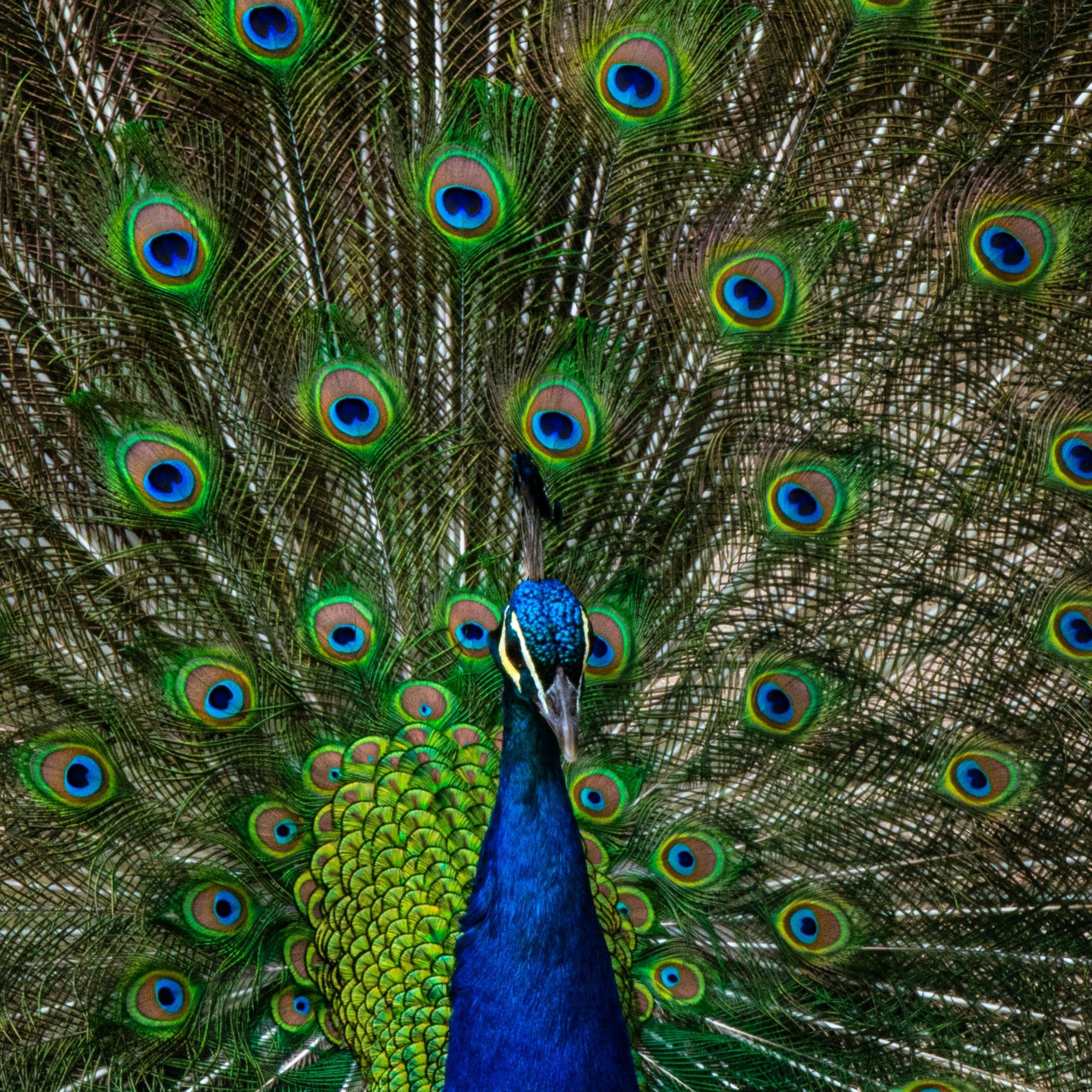
* Not quite John 8:32, and but not attributable to Flannery O’Connor either. It does not appear in any of her published or known but unpublished writing. Regardless of who said it, it feels true and O’Connor-esque. The peacock photo is a tribute to O’Connor who kept and raised peacocks. At one time she had as many as forty.
Pope Pius XI, in his encyclical Quas Primas instituted the Feast of Christ the King. The Episcopal Church eventually added the Feast to its calendar.
Dru Johnson, Understanding Biblical Law: Skills for Thinking with the Through Torah. Baker Academic, Grand Rapids, MI. 2025.
Johnson finds a long list of vulnerable beings in Biblical Law: the poor, widows, orphans, slaves, the blind and deaf, the foreigner or physically disabled, people who have been foolish or careless, accused murders, animals and even fruit trees. The line between vulnerable and not vulnerable is permeable. As we know from life, the non-vulnerable can become vulnerable at any time.
Now there's an easy but profound and worthy phrase to carry with me!